
Minimally Invasive Surgery (MIS)
XLIF (Lateral Lumbar Interbody Fusion)
Minimally Invasive XLIF in Phoenix, AZ — Lumbar Fusion From the Side
XLIF reaches the lumbar disc from the side of the body, placing a large stabilizing cage while sparing the back muscles entirely. Performed by Dr. David L. Greenwald, MD, FAANS, FACS, a dual board-certified spine surgeon and neurosurgeon.

Over 100 5-Star Reviews!
















Over 30 Years Experience in Orthopedic & Neuro Spine Surgeries.
An XLIF — lateral lumbar interbody fusion — reaches the lumbar disc from the side of the body rather than the back, allowing a large, stabilizing cage to be placed while sparing the back muscles. For suitable levels, it restores disc height and alignment with minimal disruption.
Book a Consultation — (602) 566-9500How an XLIF Works
Procedure Overview
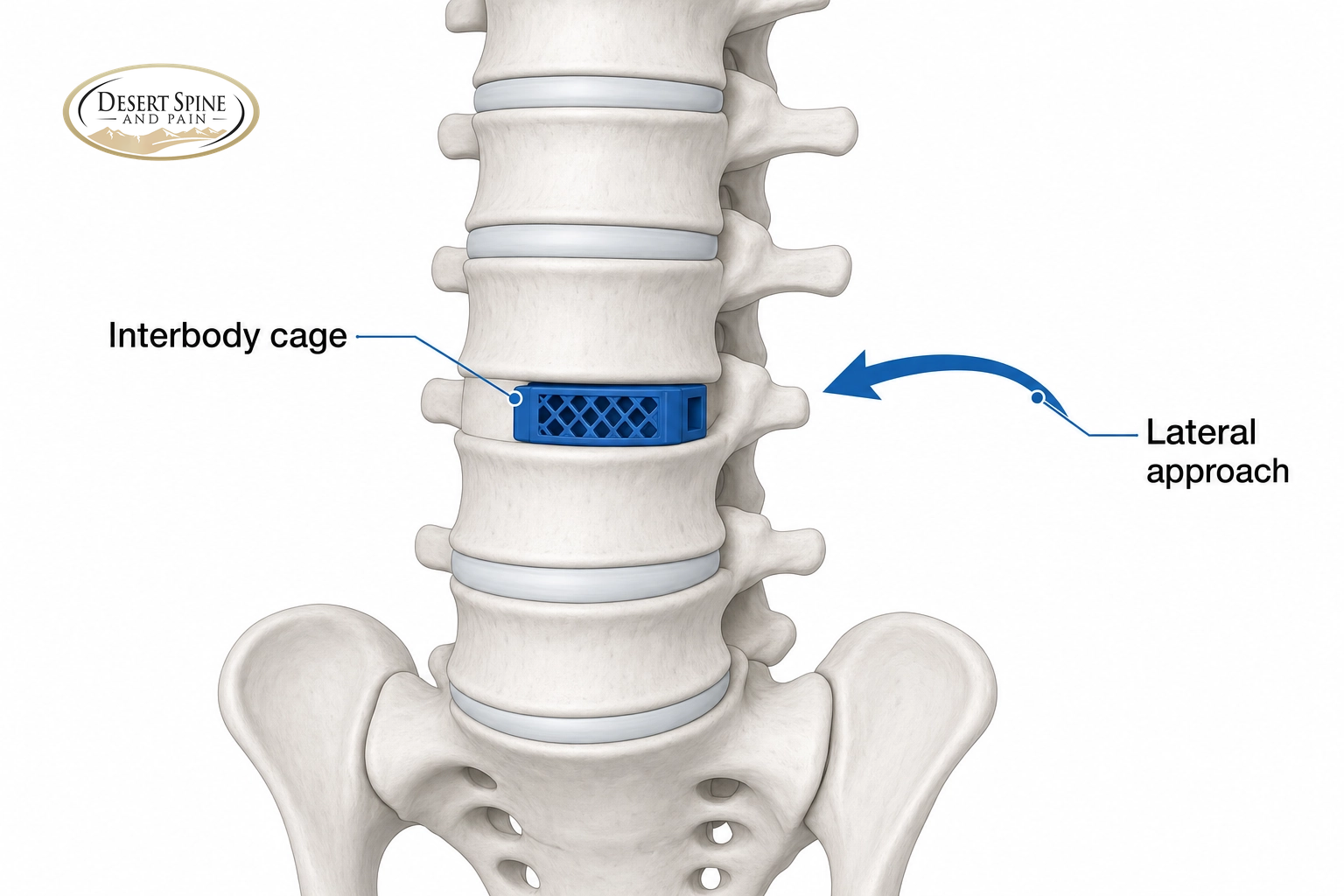
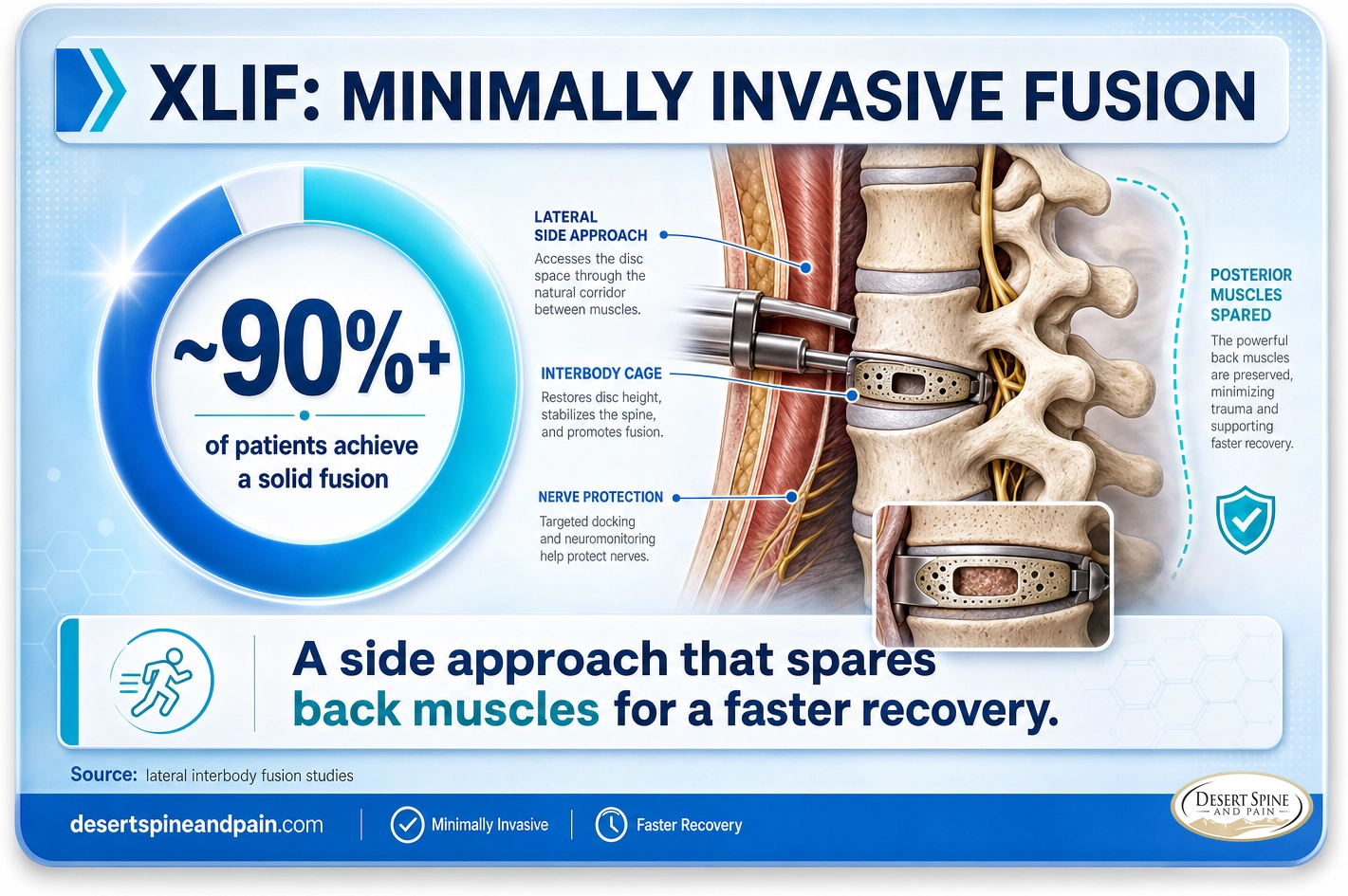
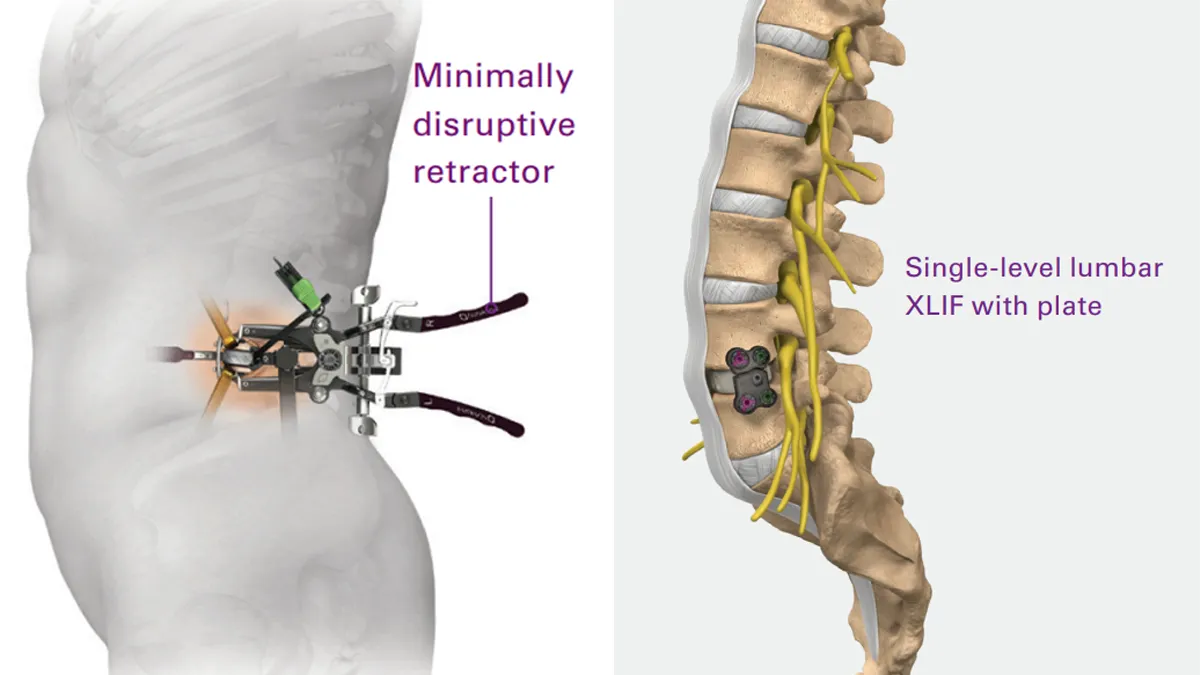
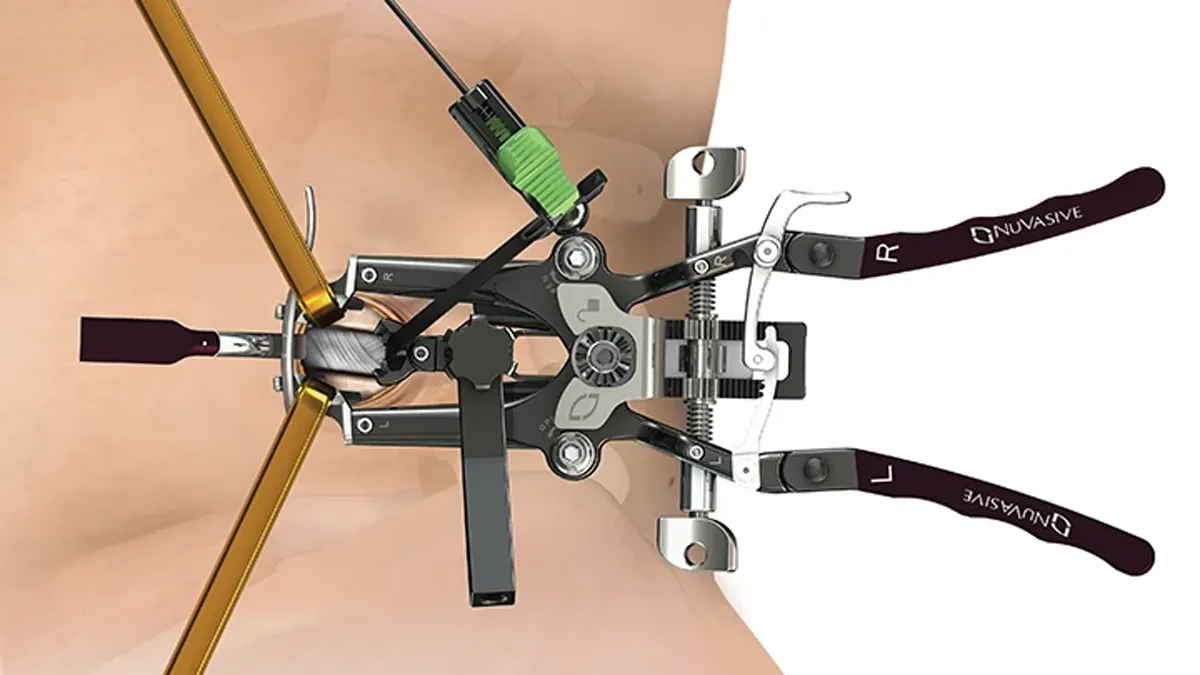
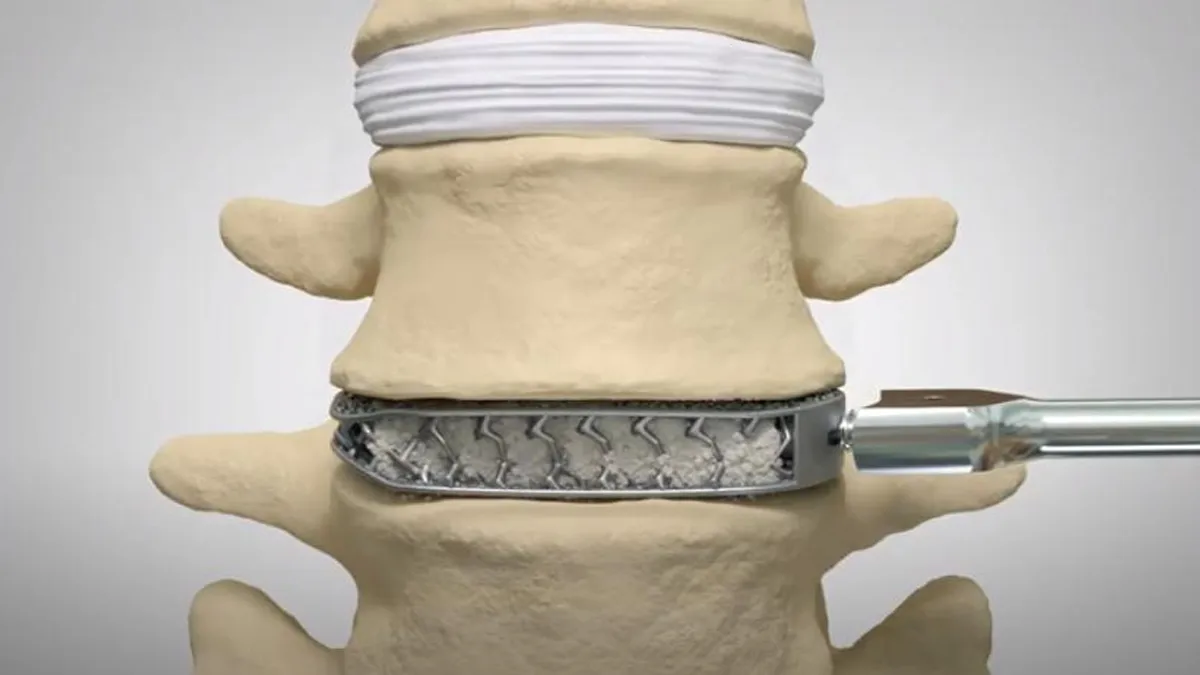
XLIF approaches the lumbar spine from the side of the body, passing between the muscles to reach the disc without disturbing the back muscles or reopening the spinal canal from behind. The damaged disc is removed and a wide interbody cage is placed, which restores disc height, indirectly decompresses the nerves, and corrects alignment. It's often paired with screws for added stability.
Conditions We Treat
Degenerative Disc Disease
Age-related drying and thinning of the discs that can cause pain.
Learn MoreAm I a Candidate?
XLIF is considered for degenerative disc disease, certain cases of spondylolisthesis, and some deformity or stenosis at suitable lumbar levels — when a lateral approach is anatomically appropriate. Not every level or patient is a candidate (the lowest lumbar level, for example, is often better approached differently). A careful evaluation determines whether XLIF or another approach fits you best.
Book a Consultation — (602) 566-9500Benefits & Risks
Spares the back muscles entirely; a wide cage restores disc height and alignment well; often indirectly decompresses the nerves; less blood loss and a quicker recovery for suitable levels.
Risks include temporary thigh numbness or hip-flexor weakness (from the approach, usually transient), bleeding, infection, hardware issues, and, uncommonly, nerve injury. Dr. Greenwald reviews your individual risks in detail.
Expected Outcomes
For well-selected levels, XLIF restores alignment and stability effectively while sparing the back muscles, often with a smooth recovery. Some patients notice temporary thigh numbness or weakness from the approach that typically resolves. We discuss realistic, individualized expectations and candidacy.
Life Beyond the Pain

How It's Performed
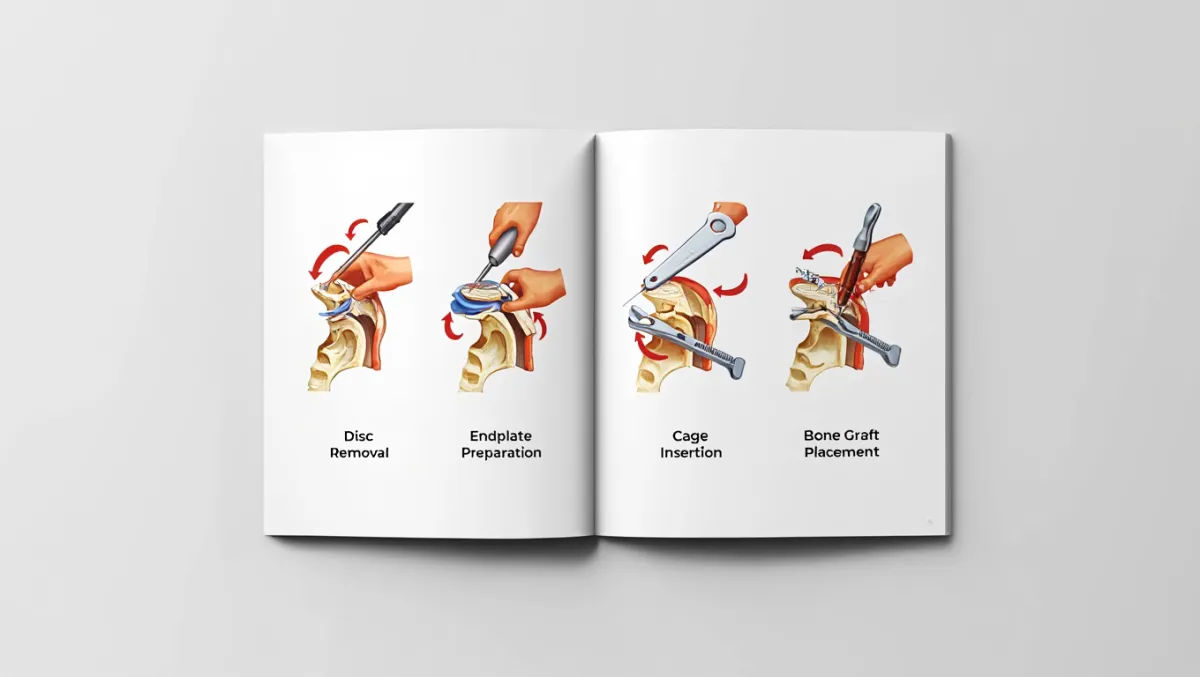
Under general anesthesia, the surgeon makes a small incision on the side of the body and passes carefully between the muscles, using nerve monitoring, to reach the disc. The disc is removed and a wide cage is placed to restore height and alignment. Screws may be added for stability. The back muscles are left undisturbed.
Your procedure is performed by Dr. Greenwald at an affiliated, accredited surgical facility — not in the clinic office — with a full surgical and anesthesia team.

Recovery & Return to Activity
| Timeframe | What to expect |
|---|---|
| First week | Usually home the same day or after one night; smaller incisions mean less pain. Short walks; avoid heavy lifting, bending, and twisting. |
| Weeks 2–6 | Steady increase in activity; many return to light or desk work sooner than with open surgery; physical therapy as recommended. |
| Months 2–3 | Resume most normal activities; any fusion continues to form. |
| Months 6–12 | Full recovery for most patients; a fusion solidifies over this period. |
Minimally invasive, muscle-sparing techniques typically mean a smaller incision, less blood loss, less pain, and a faster recovery than equivalent open surgery. Not every case is a candidate for MIS — we'll tell you honestly when an open approach is safer.
Insurance, Out-of-Network & Cost
Cost and coverage shouldn't stand between you and relief. Desert Spine and Pain welcomes out-of-network patients and will walk you through what your evaluation and treatment are likely to involve before anything is scheduled — so there are no surprises. We'll help you understand your benefits and options, whether you're using insurance, paying out-of-pocket, or being treated under a personal-injury claim.
Proudly Serving the Greater Phoenix, Arizona Area
Patients travel to Desert Spine and Pain from across Arizona for specialist spine care — because the right spine surgeon is worth the drive. We welcome patients from Phoenix and communities throughout the Valley and beyond:
…and surrounding Arizona communities. Out-of-network patients are welcome, and no referral is required — schedule a consultation.
Why Choose Our Spine Specialists in Phoenix
Choosing the right spine specialist in Phoenix matters. At Desert Spine and Pain, your care is led by Dr. David L. Greenwald, MD, FAANS, FACS — a physician who is both a board-certified spine surgeon and a neurosurgeon. That dual expertise is rare, and it means one expert can guide you across the full spectrum of care — from a simple injection to complex surgery — and recommend what is genuinely best for you, whether you need a spine doctor for conservative care or a surgeon when surgery is truly the answer.
A rare dual credential — so the specialist who treats you can also perform surgery if it's ever needed.
Most patients get better without surgery. We only advance when your condition truly requires it.
No referral needed. We make it straightforward to see a top spine specialist, even out-of-network.
24/7 concierge response and close coordination with personal-injury attorneys.
Lumbar fusion that spares the back muscles.
See a dual board-certified spine surgeon and neurosurgeon in Phoenix to find out whether an XLIF is right for your lumbar level.
Book a Consultation — (602) 566-9500XLIF: Frequently Asked Questions
Why approach from the side?
The lateral approach reaches the disc without cutting through the back muscles or reopening the canal from behind, which can mean less pain and a quicker recovery for suitable levels.
Is thigh numbness normal afterward?
Some patients have temporary numbness or hip-flexor weakness from passing through the side muscles; this usually resolves over weeks. We use nerve monitoring to minimize it.
Can XLIF be used at any level?
No — the lowest lumbar level and certain anatomies are often better approached differently. A careful evaluation determines whether XLIF fits your level.
How long until the fusion heals?
Hardware gives immediate stability; the bone fusion solidifies over roughly six to twelve months.
Do I need a referral in Phoenix?
No. You can schedule directly with our Phoenix spine specialists, and we welcome out-of-network patients.



Dr. David L. Greenwald, MD
Neuro-Spine Surgeon


Call Now!
Desert Spine and Pain
A Spine Specialist is standing by.
Relief is just a phone call away!
Available Around the Clock.
Phone: (602) 566-9500
Email: [email protected]

Contact Us

Schedule a Consultation
If you’re suffering from chronic back or leg pain and want to explore advanced surgical options like Extreme Lateral Interbody Fusion (XLIF), Dr. Greenwald and his dedicated team are here to help. We’ll thoroughly evaluate your spine condition, discuss whether XLIF is right for you, and guide you through every step of the treatment process. Every step you take toward recovery brings you closer to restored mobility and lasting relief. Schedule your consultation today and learn how Dr. Greenwald’s expertise in minimally invasive spine surgery can help you reclaim your quality of life.
Voted Best Spine Doctor
Over 30 Years Experience in Orthopedic & Neuro Spine Surgeries.

Dr. David L. Greenwald, MD, FAANS, FACS
Neurosurgeon | Spine Surgeon | Regenerative Medicine
Dr. David L. Greenwald, MD, FAANS, FACS, is a board-certified spine surgeon and neurosurgeon with advanced expertise in XLIF (lateral lumbar interbody fusion). He commonly uses it to treat conditions such as degenerative disc disease, spondylolisthesis, and spinal stenosis, which can cause pain, numbness, or weakness. Using advanced, minimally invasive techniques whenever possible, Dr. Greenwald relieves nerve compression and instability while protecting healthy tissue and preserving spinal stability. His skill and patient-centered approach help patients throughout the greater Phoenix, Arizona area experience meaningful pain relief, reduced recovery time, and restored mobility.
Book your Spine Care Consultation Today!

Desert Spine and Pain
Patient Centered & Partner Focused
Quick Links
Resources
Connect With Us
21001 N Tatum Blvd SUITE 78 1640, Phoenix, AZ 85050
© Desert Spine and Pain. 2026. All Rights Reserved. Sitemap